





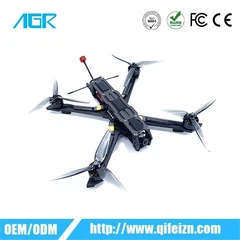


The cost advantages of drone spraying pesticides are mainly reflected in the following aspects:
1. Reduce labor costs
Drone spraying of pesticides can significantly reduce labor costs. The traditional manual spraying method requires a lot of labor, especially in the case of large areas of farmland, the labor cost will be very high. The use of drones for spraying can greatly reduce the need for manpower. Only a few operators can complete large-scale spraying operations, thus saving a lot of labor costs.
2. Reduce pesticide usage
UAVs spray pesticides with high accuracy and can achieve uniform spraying, avoiding repeated spraying or missed sprays that may occur in traditional spraying methods. This can not only improve the efficiency of pesticide utilization, but also reduce the total amount of pesticides used, thereby reducing pesticide procurement costs. In addition, drone spraying can also reduce the pollution of pesticides to the environment and contribute to environmental protection.
3. Improve work efficiency
Drones spray pesticides very quickly and can complete large-area spraying operations in a short time. Compared with traditional manual spraying methods, the operating efficiency of drones is dozens of times or more higher. This means that within the same time, the use of drones can cover a larger spraying area, thereby improving overall operational efficiency and reducing time costs.
4. Reduce equipment and maintenance costs
While the initial acquisition cost of a drone may be higher, its maintenance and operating costs are relatively low in the long run. Drones have a long service life, are relatively simple to repair and maintain, and require low costs. In contrast, traditional spraying equipment such as sprayers require frequent parts replacement and maintenance, which may incur higher costs in the long run.
5. Reduce the risk of pesticide poisoning
Drone spraying of pesticides can effectively avoid direct contact between operators and pesticides, thereby reducing the risk of pesticide poisoning. This is of great significance to protect the health of farmers, and also reduces medical and compensation costs caused by pesticide poisoning.
In summary, drone spraying of pesticides has significant cost advantages in reducing labor costs, reducing pesticide usage, improving operating efficiency, reducing equipment and maintenance costs, and reducing the risk of pesticide poisoning. These advantages make drone spraying pesticides an efficient, economical, and environmentally friendly method of pesticide spraying in modern agriculture, with broad application prospects.


