





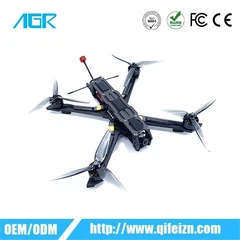


With the continuous breakthroughs in drone technology, the functions and performance of rescue drones are also rapidly improving. For suppliers, in-depth understanding of these technical advantages and innovations can better grasp the product selling points and meet the growing market demand.
Intelligent autonomous flight and path planning
Modern rescue drones have powerful intelligent autonomous flight capabilities, which can automatically plan the optimal flight route, avoid obstacles, and reach the target area accurately and quickly. This not only reduces the difficulty of operation, but also greatly improves the efficiency and safety of search and rescue, allowing rescuers to focus more on the task itself.
Multi-sensor fusion to improve search and rescue efficiency
In order to cope with complex and changing rescue environments, rescue drones integrate multiple sensors such as thermal imaging, high-definition cameras, radars, and night vision devices. The data fusion technology of these sensors enables drones to accurately detect targets under different conditions, whether it is a smoke-filled fire scene or a mountainous area at night, it can efficiently complete the search and rescue mission.
Real-time data transmission and linkage with the on-site command center
In the rescue process, the timely transmission of information is crucial. Advanced rescue drones support real-time high-definition video and sensor data transmission, and directly link with the command center. In this way, the commander can grasp the on-site situation at the first time, adjust the rescue plan, and improve the efficiency and accuracy of decision-making.
Rapid material delivery technology
Rescue drones can not only "find people", but also "deliver goods". Drones equipped with a rapid delivery system can accurately deliver first aid kits, drinking water, food and other necessities to help trapped people relieve urgent needs. Especially in inconvenient transportation or dangerous environments, the value of this technology is particularly prominent.
Nighttime and bad weather operation capabilities
The technical innovation of rescue drones is also reflected in improving the ability to operate at night and in bad weather. Through advanced night vision equipment and wind and rainproof design, drones can fly stably in low visibility and bad environments, ensuring that rescue operations are not restricted by time and weather, greatly expanding the scope of application.
In general, these technical advantages and innovations of rescue drones not only improve rescue efficiency and safety, but also bring suppliers a wealth of product development and market promotion opportunities. Only by grasping these core technologies and combining customer needs can we stand out in the fiercely competitive market.


