





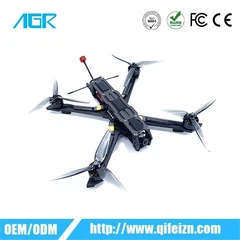


As an important tool for modern emergency rescue, rescue drones are playing a key role in more and more scenarios with their flexible and multifunctional advantages. As a supplier, understanding these specific application scenarios can more accurately meet customer needs and open up a broader market space.
Rescue at natural disaster sites
When natural disasters such as earthquakes, floods, and wildfires occur, rescue work often faces challenges of harsh environments and complex sites. Drones can quickly fly to the disaster area and use high-definition cameras and thermal imaging equipment to help search for trapped people, assess the disaster situation, and even deliver emergency supplies. This not only greatly improves the efficiency of rescue, but also ensures the safety of rescuers.
Search and rescue in mountainous and remote areas
Mountainous and remote areas have complex terrain and poor roads, and traditional rescue methods are often difficult to reach quickly. The lightness and high maneuverability of rescue drones make them an ideal choice for search and rescue. It can traverse rugged terrain, transmit images in real time, and assist search and rescue personnel to accurately locate the missing, greatly shortening the search and rescue time.
Maritime rescue
The maritime environment is unpredictable, and the rescue object may be far away from the shore. Drones can perform cruise and search missions in adverse marine weather conditions and quickly find ships or people in distress. Some drones can also deliver life-saving equipment to buy precious time for those in distress.
Urban emergency response
When there are emergencies such as fires, traffic accidents or terrorist attacks in cities, rescue drones can be quickly deployed to provide aerial monitoring and real-time data support, helping the rescue command center to grasp the overall situation of the scene, reasonably allocate resources, and improve response speed and effectiveness.
Safety monitoring and emergency support for large-scale public events
In public events such as large gatherings, concerts, and sports events, drones, as aerial "scouts", can monitor crowd dynamics, warn of abnormal situations, and provide rapid support in the event of an emergency to ensure the safety of personnel and the smooth progress of activities.
In summary, rescue drones have a wide range of applications and diverse scenarios, from disaster sites to urban emergencies, from remote mountainous areas to vast seas, drones can show their talents. If suppliers can grasp these core application scenarios and develop and promote products in combination with different needs, they will undoubtedly occupy a favorable position in the rescue equipment market.


