





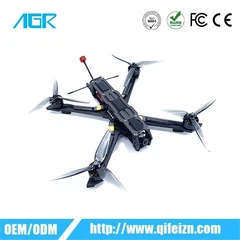


After using a plant protection drone for medication, if the equipment is properly maintained and maintained, the usage rate of the equipment will become higher. To prolong the lifespan of plant protection drones, maintenance and upkeep are very important. The better the upkeep, the longer the lifespan of drones. Let's take a look at what needs to be done in the daily maintenance of drones.
Maintenance of A22 RTK drone
(1)Cleaning nozzle
After completing the homework, remove the nozzle filter and nozzle, wipe and clean them in clean water, and then install them back into the aircraft.
(2)Cleaning spray system
Fill the medicine box with soapy water or clean water and add laundry detergent. Turn on the spray until there is no medicine in the flowing water.
(3)Clean the body
Wipe off residual drugs on the shells of aircraft, remote controls, batteries, and other components.
(4)regular inspection
Check the structure of the aircraft body, check the tightness of the screws, and replace severely damaged pipelines.
(5)Properly stored
If not in use for a long time, store the aircraft in a clean, ventilated, moisture-proof, and high-temperature area.
Maintenance of the broadcasting machine
(1) Cleaning the material box
After the broadcasting operation, please clean up the residual materials inside the intelligent broadcasting system.
(2) Cleaning the broadcasting tray
(3) Clean up agglomerated materials
If there is a situation where the material cannot be discharged during the operation, please land on the aircraft and check if there are any material clumps causing blockage at the discharge port. You can quickly remove the spreader and pour out the clumped material.
Daily maintenance of remote control, motor, and propeller
1. Use and maintenance of remote control
(1)During transportation, it is necessary to fold the bracket and antenna to avoid breakage.
(2)Avoid water ingress and overcharging at the charging port of the remote control.
(3)Avoid falling from high places.
(4)Avoid liquid medicine entering the remote control, causing a short circuit.
(5)Please place the remote control in the packaging box if it has not been used for a long time.
2. Maintenance and upkeep of motors
(1)Rotate the motor by hand without any jamming or abnormal noise
(2)Do not directly use running water to flush the motor.
(3)After each operation, it is necessary to wipe the exterior of the motor with a wrung dry wet cloth.
(4)After the collision of the motor, confirm the dynamic balance of the motor. If there are any abnormalities, the motor needs to be replaced.
(5)In any case, if the motor cannot operate properly, the problem must be resolved before use.
3. Maintenance of propellers
(1)During the inspection, it is necessary to confirm whether there is any damage at the root of the blade to avoid propeller shooting.
(2)After each operation, it is necessary to wipe the blades with a damp cloth to keep them clean.
(3)Distinguish between forward and reverse propellers and cannot be used interchangeably.
(4)If it is damaged or broken, it needs to be replaced.
Maintenance of batteries
(1)It is strictly prohibited to disassemble the battery.
(2)It is strictly prohibited to throw the battery into water or fire.
(3)Please use a dedicated charger to charge and stay away from high temperature environments.
(4)Do not use batteries that are damaged, leaking, or severely deformed.
(5)Squeezing, collision, and short circuiting of batteries are prohibited to avoid unnecessary losses and safety risks.
(6)Please recharge the battery in a timely manner after use to avoid excessive discharge and damage to the battery caused by prolonged storage.
(7)Please store the battery in a dry and ventilated environment, and do not approach open flames or flammable and explosive materials.
(8)After completing each high-intensity task, it is necessary to use a slow charging and maintenance battery.
Maintenance of fuel filling
1. Daily maintenance and upkeep
Attention: All maintenance activities require the fuel charger (hereinafter referred to as the fuel charger) to be turned off and cooled to prevent high-temperature burns.
(1) Before each use, please check if the water tank has enough coolant or water.
(2) Please ensure that the cooling fan of the water tank operates normally every time you use it.
(3) Please check the oil condition every 8 hours of operation.
(4) When the oil indicator light is constantly on, it prompts us to add oil.
(5) When the oil indicator light flashes, it prompts us to change the oil.
2. Regular maintenance
(1)After the first cumulative operation of 20 hours, please change the oil. After every 60 cumulative operation hours, please change the oil.
(2) The air filter element needs to be cleaned every 100 hours of engine operation.
(3) It is necessary to regularly check the condition of the fuel pipes and replace them if they are found to be hardened or cracked. Check the fuel tank, fuel cap, carburetor, fuel switch, and other components that come into contact with gasoline. If there is any damage or leakage, it must be replaced in a timely manner.
3. Storage of fuel filling
The storage area for fuel tanks should be well ventilated, avoid rain, high temperatures, and be away from combustibles and ignition sources.


